
Lanternfly Exterminator Service in Findlay, OH (2026)
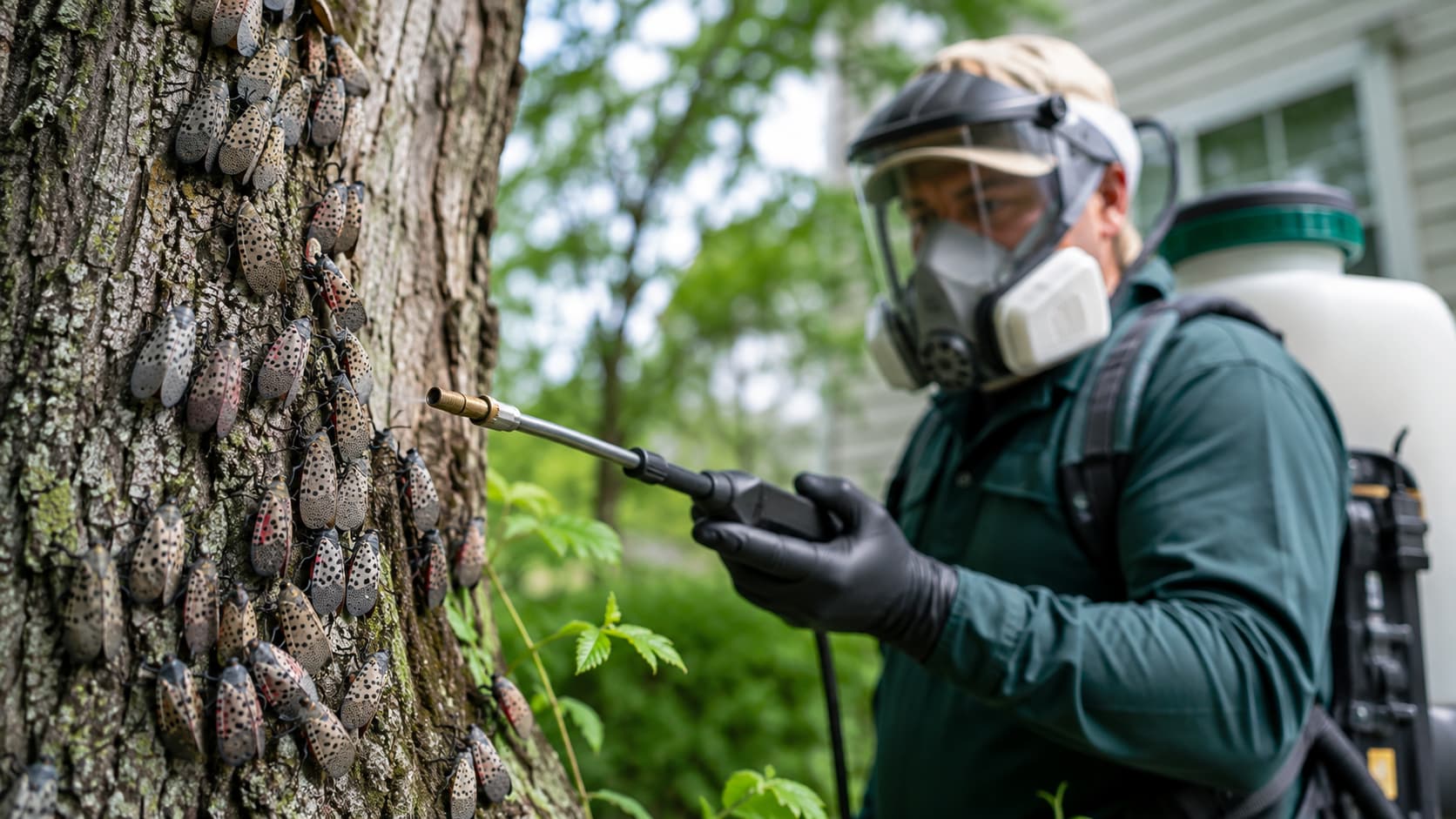
The spotted lanternfly is one of the most concerning invasive pests currently spreading across Ohio, threatening grapevines, fruit trees, and hardwood trees while producing large amounts of sticky honeydew that attracts mold and other insects. If you are searching for a lanternfly exterminator service in Findlay, licensed local technicians can inspect your property for egg masses and active populations and apply treatment before the infestation spreads further. Findlay residents can compare vetted lanternfly exterminators through the Findlay, OH pest control directory, which lists licensed providers experienced in invasive pest treatment.
Why Spotted Lanternfly Is a Growing Concern in Findlay
Spotted lanternflies were first detected in Ohio in recent years and have continued expanding their range, often traveling on vehicles, firewood, and outdoor equipment moved between infested and uninfested areas. Hancock County's mix of vineyards, orchards, and hardwood trees like the tree of heaven, a preferred host plant, creates favorable conditions for populations to establish once introduced. Because lanternflies lay egg masses on nearly any flat outdoor surface, including patio furniture, vehicles, and firewood, populations can spread quickly between properties.
Signs of Spotted Lanternfly Activity
Egg Masses
Grayish, mud-like egg masses on tree trunks, fences, outdoor furniture, or vehicles from fall through spring indicate lanternflies have been present.
Nymphs and Adults
Black and white spotted nymphs in summer and gray winged adults with red underwings in late summer and fall are the most visible life stages.
Sticky Honeydew and Sooty Mold
A sticky residue on plants, patios, or vehicles beneath infested trees, often followed by black sooty mold growth, points to an active feeding population.
What a Lanternfly Treatment Includes
A professional treatment begins with an inspection to locate egg masses, host trees, and active feeding sites around the property. Technicians then apply targeted insecticide treatments to host trees and high-traffic areas, along with scraping and removing visible egg masses to reduce the following season's population. Because tree of heaven is a preferred host, some providers recommend treating or removing these trees as part of a long-term control plan.
Prevention Tips Between Treatments
Inspecting vehicles, outdoor furniture, and firewood for egg masses before moving them off the property helps prevent spreading lanternflies to new areas. Scraping and destroying any egg masses found on trees, fences, or structures during fall and winter reduces the population before it hatches in spring. Reporting sightings to the Ohio Department of Agriculture also helps track the pest's spread across the state.
Choosing a Lanternfly Exterminator in Findlay
Look for a company licensed in Ohio with specific experience treating spotted lanternfly, since this invasive species requires different timing and application methods than common household insects. Ask whether the service includes egg mass scraping and confirm if follow-up visits are included through the full lanternfly season.
Frequently Asked Questions
Is the spotted lanternfly dangerous to people or pets?
No, spotted lanternflies do not bite or sting, but they can cause significant damage to plants, trees, and crops, making prompt treatment important for property owners with vineyards, orchards, or ornamental trees.
What time of year is spotted lanternfly treatment most effective in Findlay?
Treatment is often most effective from late spring through fall when nymphs and adults are actively feeding, while egg mass removal is best done during fall and winter before hatching begins.
Should I report a spotted lanternfly sighting in Findlay?
Yes, reporting sightings to the Ohio Department of Agriculture helps track the pest's spread and supports statewide efforts to slow its expansion into new counties.