
Tick Control Service in Newark, OH (2026)
Ticks pose a real health risk in central Ohio, carrying diseases like Lyme disease and Rocky Mountain spotted fever that can affect both people and pets. If you are searching for tick control service in Newark, licensed local exterminators can treat your yard and property to reduce tick populations before they become a problem for your family or pets. Newark residents can compare vetted tick control providers through the Newark, OH pest control directory, which lists licensed exterminators experienced in yard and perimeter tick treatments.
Why Tick Activity Is Rising in Newark
Licking County's wooded areas, tall grasses, and proximity to parks and trails create ideal habitat for ticks, especially the blacklegged tick, which is known to transmit Lyme disease. Warmer winters in recent years have also allowed tick populations to remain active longer into the fall and start earlier in spring. Yards bordering wooded lots or with unmowed grass, brush piles, or leaf litter are especially prone to tick activity.
Common Ticks Found in Newark
Blacklegged Ticks (Deer Ticks)
These small ticks are the primary carriers of Lyme disease in Ohio and are most commonly found in wooded and brushy areas.
American Dog Ticks
Larger and more visible, American dog ticks are often picked up in grassy fields and can transmit Rocky Mountain spotted fever.
Lone Star Ticks
Recognizable by the white spot on the female's back, lone star ticks are aggressive biters found in wooded and shrubby habitats.
What a Tick Control Treatment Includes
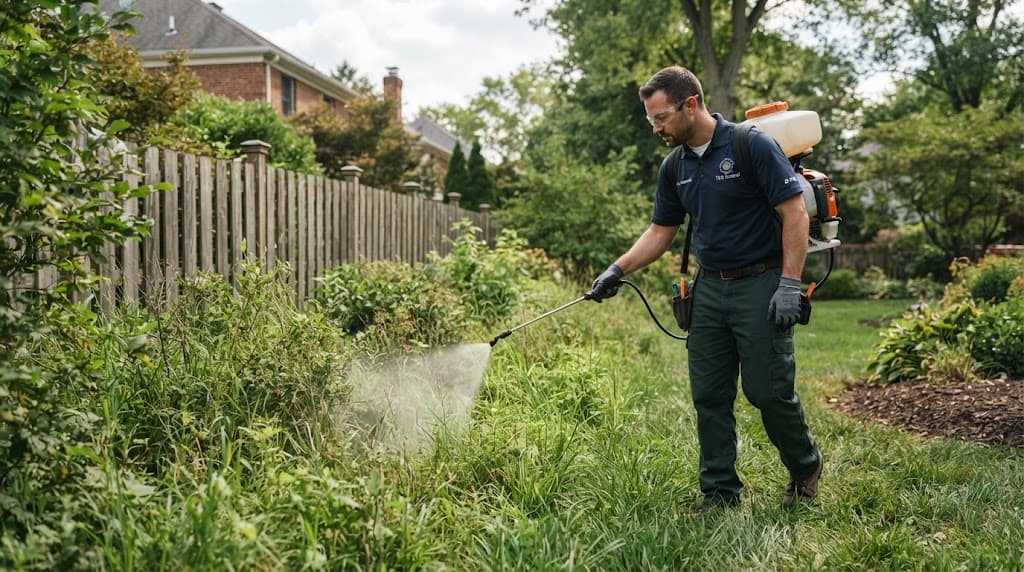
A professional tick treatment typically starts with an inspection of the yard to identify high-risk zones such as wood lines, tall grass, and brush piles. Technicians then apply targeted treatments to these areas, focusing on the perimeter where lawns meet wooded or overgrown sections, since ticks rarely travel far into open, sunny lawns. Many providers offer treatments on a seasonal schedule to maintain protection throughout the active tick season from early spring through late fall.
Yard Prevention Tips Between Treatments
Keeping grass mowed short and removing leaf litter and brush piles reduces the humid, shaded conditions ticks need to survive. Creating a mulch or gravel barrier between lawns and wooded areas can also help limit tick migration into yards. Checking pets regularly and using vet-approved tick prevention products adds another layer of protection, since pets can carry ticks indoors.
Choosing a Tick Control Provider in Newark
Look for a company licensed in Ohio with specific experience in yard and perimeter tick treatments rather than general indoor pest control. Ask whether the service includes a seasonal treatment plan, since a single application rarely provides protection through the entire tick season, and confirm what products are used if you have pets or children who spend time outdoors.
Frequently Asked Questions
When is tick season in Newark, OH?
Tick activity in Newark typically runs from early spring through late fall, with peak activity in late spring and early summer, though mild winters can extend the season further.
How often should yard tick treatments be applied?
Most providers recommend treatments every 3 to 6 weeks during peak tick season to maintain consistent protection, though this can vary based on yard size and surrounding vegetation.
Can tick control treatments harm my lawn or garden?
Licensed technicians use EPA-registered products applied at label rates that are safe for lawns and gardens when applied correctly, and many offer pet-safe options for households with outdoor animals.